

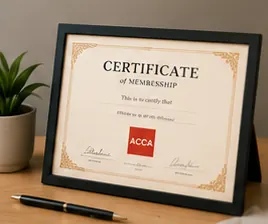
To check an accountant’s professional status, ask which professional body regulates the firm, then search that body’s public register yourself and confirm the practice holds a current practising certificate. The checks are free, take a few minutes each, and need no cooperation from the firm beyond telling you where to look.
The reason the checks matter: “accountant” is not a protected term in the UK. There is no law preventing anyone from using the title, whatever their training. Plenty of unregulated accountants do honest work. The point is that the title itself proves nothing, so proof has to come from somewhere else.
What regulation by a professional body means
The UK has several established professional accountancy bodies. Membership generally requires passing examinations, supervised experience, continuing professional development, a code of ethics, and a complaints and disciplinary process a client can actually use. This guide deliberately does not rank the bodies. For small-business compliance work, the practical protection they give clients is similar, and which body a firm belongs to matters far less than whether it belongs to one at all.
Not every person using the title has this status, and the qualification names on a website can be unfamiliar. When in doubt, ask the firm plainly: “Which body regulates the practice, and where do I search its register?”
Check the public register yourself
Every major body maintains a public register or member directory on its website. Do not rely on certificates displayed in an office or logos on a website. Search the register yourself:
- Ask the firm for the exact name it is registered under, since trading names often differ from registered names.
- Go to the professional body’s own website and find its member or firm search.
- Confirm the firm or the principal appears, and note what the entry says about their status.
If the firm does not appear, say so and ask why. There can be innocent explanations (a recent name change, registration under an individual rather than the firm) but the explanation should check out on the register too, not just in conversation.
Membership is not the same as a practising certificate
This is the distinction most people miss. Someone can be a member of a professional body from years in employment without holding a practising certificate, which is the separate authorisation to offer services to the public. A practising certificate typically brings extra requirements with it, including professional indemnity insurance and arrangements for what happens to clients if the accountant dies or stops trading. When you check the register, you are looking for confirmation the person or firm is authorised to practise, not merely that they once qualified.
Ask about professional indemnity insurance
Professional indemnity insurance pays out if the accountant’s error costs you money. Regulated firms in practice are generally required to carry it; unregulated ones may or may not. Asking “does the practice hold current professional indemnity insurance?” is normal commercial diligence, the same as you would apply to a builder. You are not asking to see the policy schedule. A straight yes, with the confidence of a firm used to the question, is what you are listening for.
What if the accountant is not registered with any body?
Then you are relying entirely on your own judgement of them, with no register, no required insurance, no ethics code and no complaints process behind you. Some unregulated accountants are experienced and careful. But you carry more of the risk, so the rest of your diligence (references, written scope, how they handle your questions) has to work harder. The patterns that should worry you in any firm, regulated or not, are collected in warning signs to look for when choosing an accountant.
Where this fits in choosing a firm
Run these checks after shortlisting and before any detailed conversations, as set out in the pillar guide to finding a small-business accountant. Verification first means you only invest meeting time in firms that pass. The questions to take into those meetings, including the register question phrased ready to use, are in questions to ask an accountant before hiring them.
We are always comfortable being checked. If you are comparing firms for your business, our Birmingham accountancy practice will tell you exactly where to verify us, and you can request a quote at the same time.
Frequently asked questions
Is it legal for someone with no qualifications to call themselves an accountant?
Yes. The title is not protected in UK law, so anyone may use it. Specific activities such as statutory audit are restricted to authorised firms, but general accountancy and tax work is not. That is why checking a professional body’s public register is your job rather than something the law does for you.
Do letters after an accountant’s name prove they can act for the public?
Not on their own. Designatory letters usually show someone passed a body’s examinations, but offering services to the public normally requires a separate practising certificate. The register entry, not the letterhead, is where to confirm that.
How do I check a firm rather than an individual?
Ask for the name the practice is registered under and search the professional body’s firm directory. Where a body registers individuals rather than firms, check the principal who would sign off your work. Trading names frequently differ from registered names, so search with the exact name the firm gives you.
What should I do if a firm refuses to say who regulates it?
Treat it as a decision made for you. The question costs a regulated firm nothing to answer. Refusal, vagueness or an answer that does not match the register are all the same signal, and there are enough firms that answer plainly.
Does being regulated mean an accountant is good?
No. Regulation sets a floor (verified training, insurance, a complaints route), not a ceiling. Competence, responsiveness and fit still vary between regulated firms, which is why the checks in this guide are one stage of choosing, not the whole of it.